
LONDON
Oh, it's all different now ...

“What is her brother-in-law’s name?”
“Lord de Winter.”
“Where is he now? He returned to London at the first sound of war.”
“Well, there’s just the man we want,” said Athos. “It is he whom we must warn. We will have him informed that his sister-in-law is on the point of having someone assassinated, and beg him not to lose sight of her. There is in London, I hope, some establishment like that of the Magdalens, or of the Repentant Daughters. He must place his sister in one of these, and we shall be in peace.”
“Yes,” said D’Artagnan, “till she comes out.”
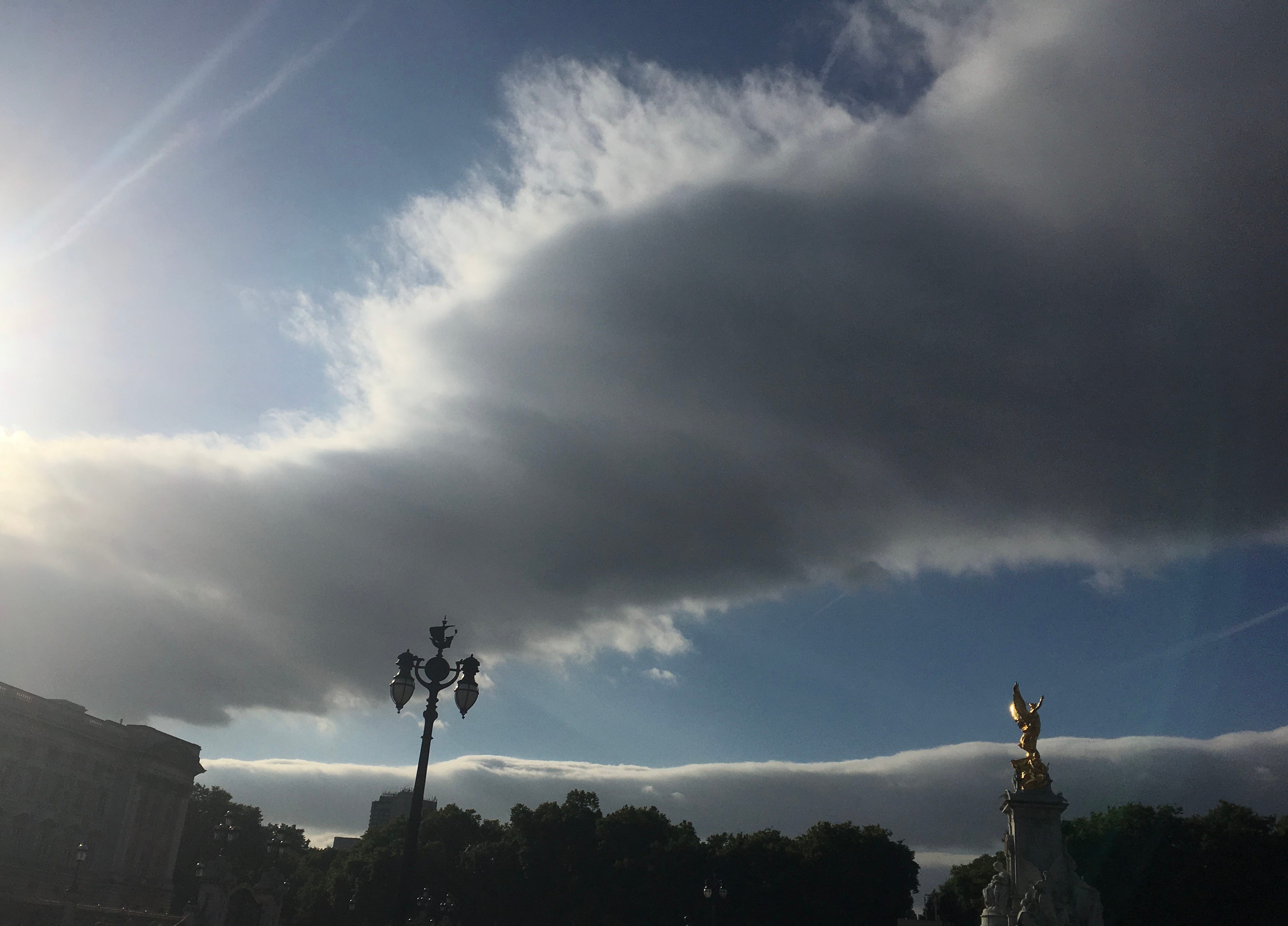
Clearly London had a major rejuvenation after The Great Fire in 1666, meaning things I sought from the early seventeenth were gone, rebuilt, or invaded.
We can’t know exactly where the King sat because the Palace of Whitehall and Theobalds House have long gone.
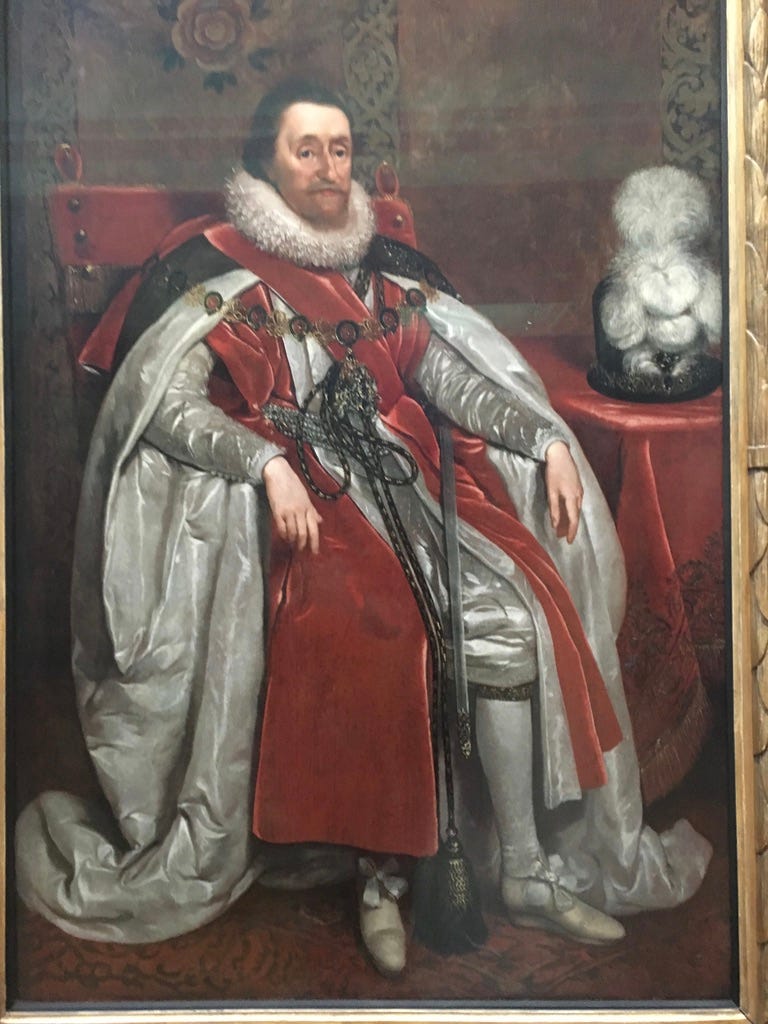
Was there anything left for Milady?
In the heatwave of June 2017 the windows of tube trains stood open to let hot winds blow through the crowded sweaty carriages.
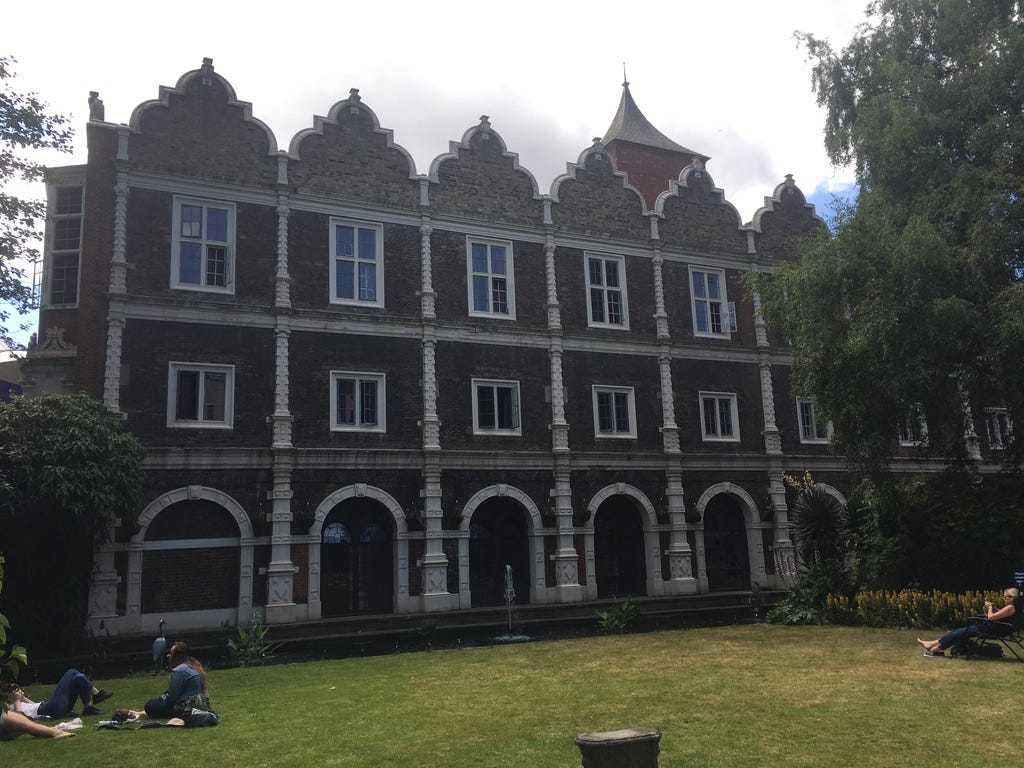
In my Holland Park hostel, weirdly called Holland House, there were crazy stacks of people from all over the world packed into sticky, hot, cramped facilities; just as it must have been like for visitors in the seventeenth century - though not stacked in three-level-high metal bunk beds - it would have been heaps of flea-ridden straw mattresses.
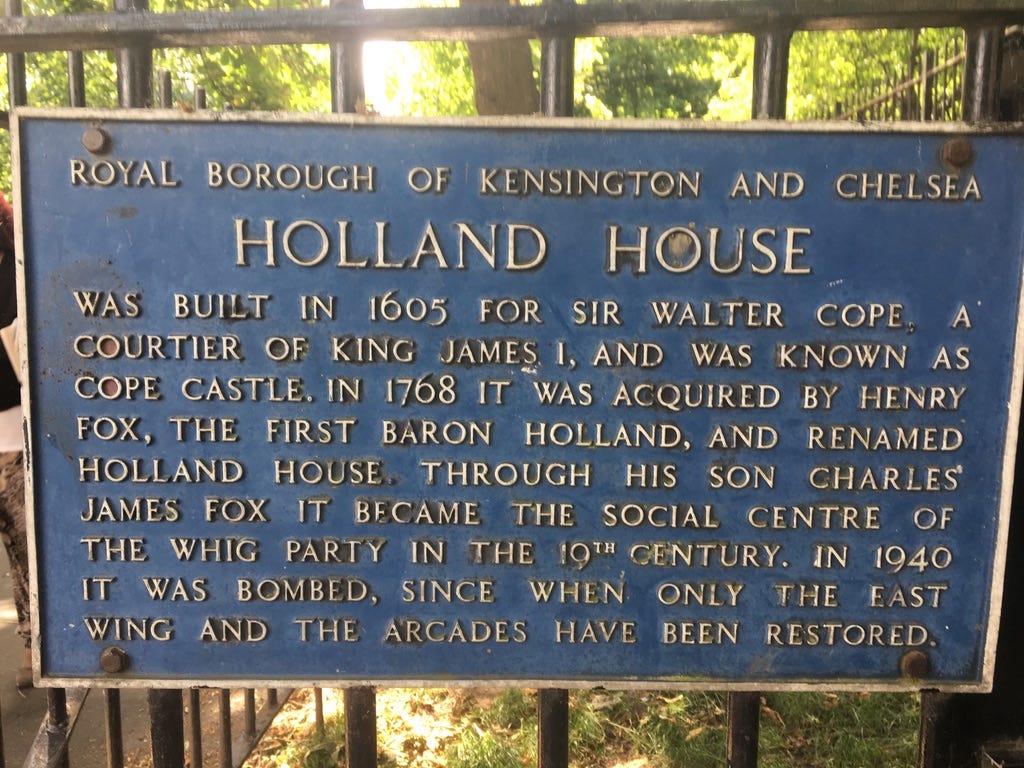
Modern frazzled staff (France, Belgium and Scotland) provided long waiting times for reception and bar. In my room, at least a dozen people used the one overly-hot shower-cum-loo while everyone waited their turn, putting on make-up, getting dressed in nooks and crannies, trying to keep their packing in some sort of order, and shrinking in order to avoid touching strange sweaty skin by mistake. It’s true, four hundred years ago, in those days of long dresses and woollen stockings, there must have been similar dreadful conditions. I’d booked here because the hostel is connected to a Jacobean Mansion, though where I stayed was built in the twentieth century. The Opera has the mansion and I admit I didn’t even try for a ticket. However, Holland Park is well connected through to other parks and thoroughfares to traverse London - perhaps looking similar to the seventeenth century?
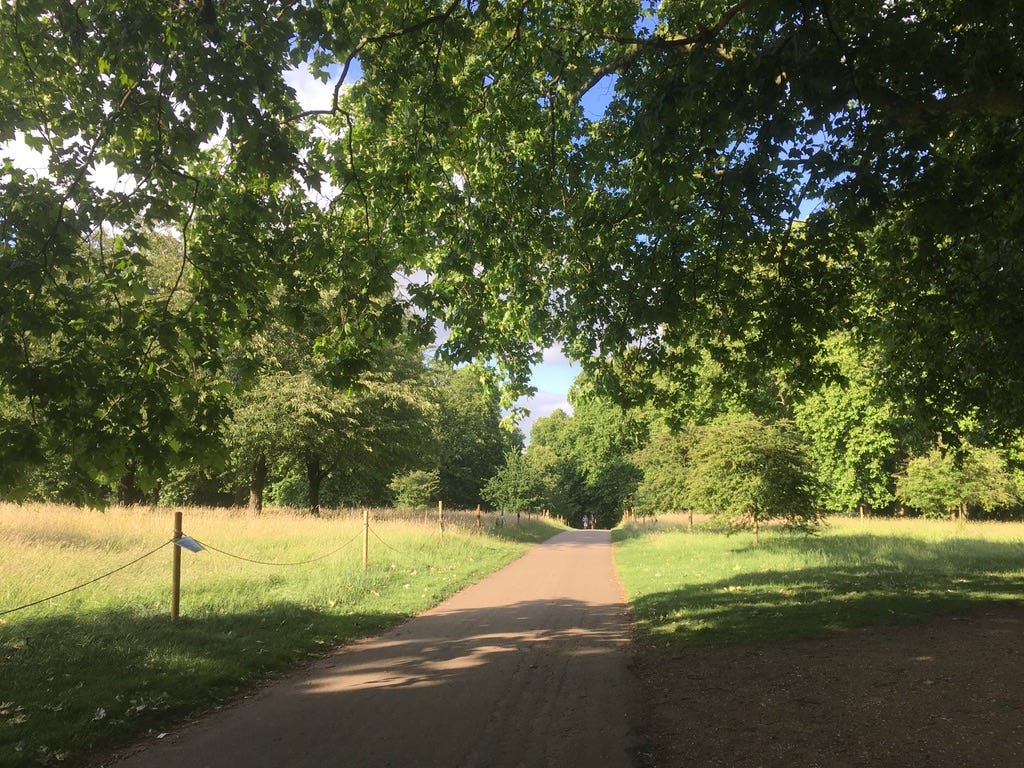
These overgrown lawns are an attempt to bring wildlife back into the city. There are fences planted with stinging nettles to protect the wildflowers. That’ll do it.
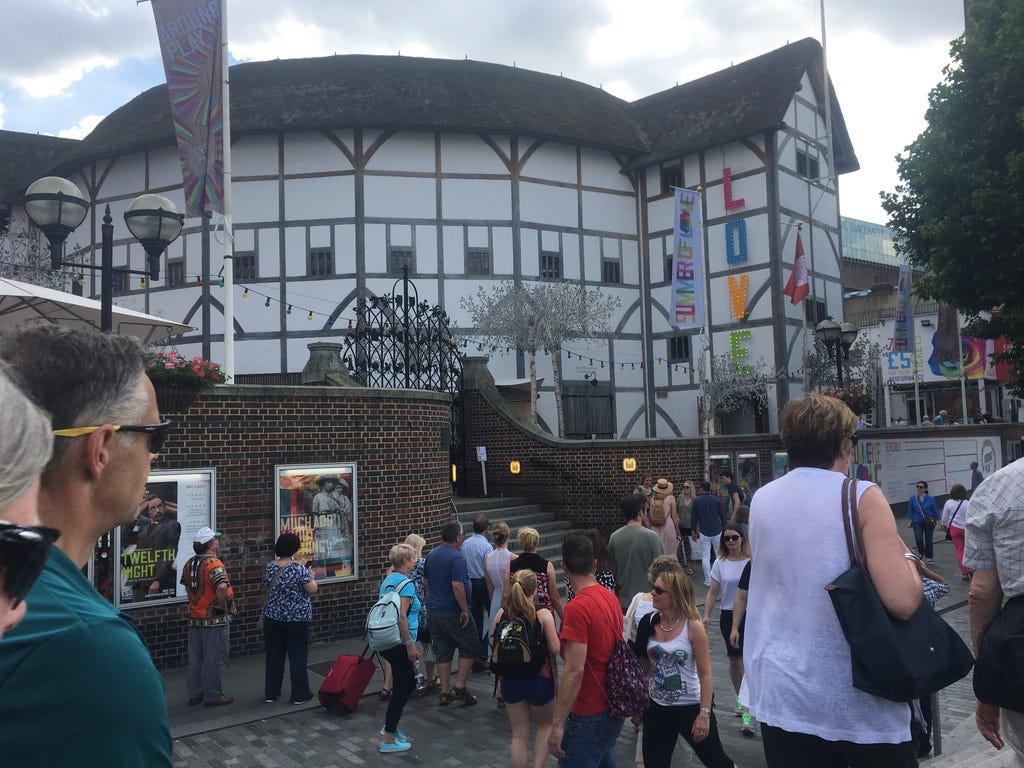
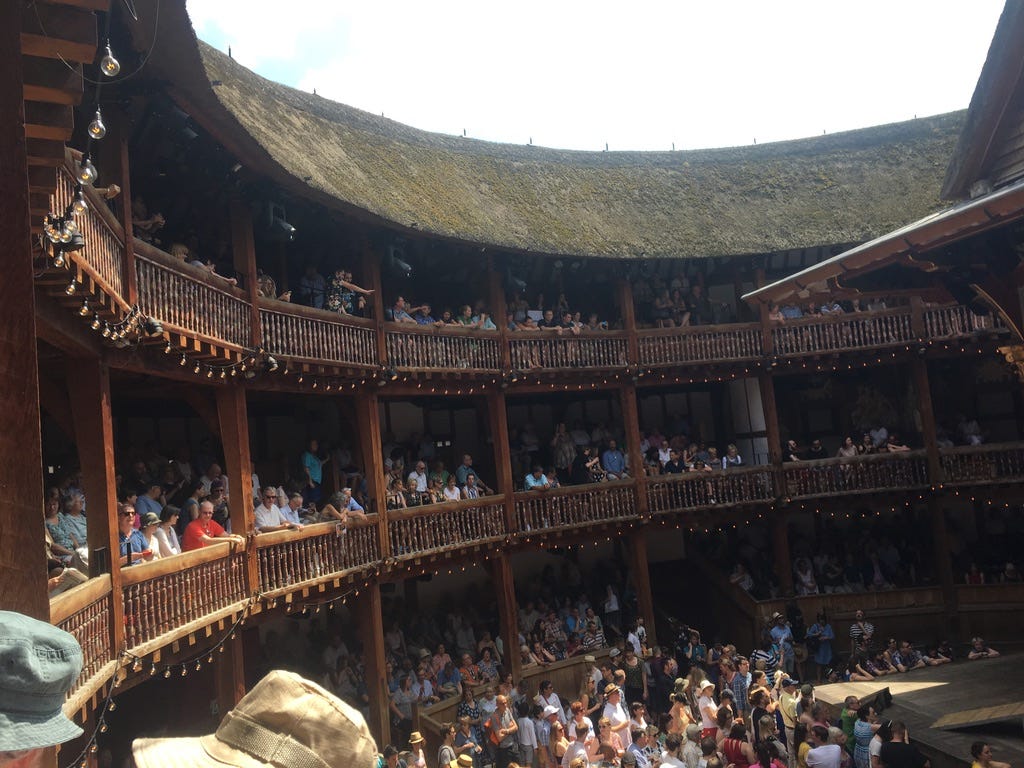
My search brought me to Tristan and Isolde at the Globe - a swinging colourful crowd pleaser. I think Shakespeare would have approved of the romp through clowning, song and the power of kings.
The Globe, from the top of its mossy thatch to the lower cheerful colourful summery folk eager for entertainment, showed off this meringue of theatre. The great thing about KneeHigh’s production was the wondrous use of language, emotion and absurdity in just the right mix: MUSIC, rhythm and surprise, pantomime and honesty, delight and naughtiness.
I moved fast through London, on a tense timetable to pick up tickets and catch tours - RUSHING TO FIND HISTORY.
But History had gone.
On Sunday 18th June 2017 I visited Westminster Abbey. It wasn’t my first time, I had visited thirty years before with my mother, but this time I attended a service.
After reading about religious wars, hatred, and torment in the sixteenth century I was taken aback to find a tray of candles on the way in to the Abbey. Some people even genuflected as they saw the altar, and the vicar/priest (whatever the celebrating religious man should be called) was dressed in a red tunic with matching cummerbund, very fetching but not exactly the neighbourhood vicar. What exactly has changed since Henry VIII strode down these hallowed halls?
The Abbey is a thin, small building. I imagine someone (say, Milady) familiar with the width and light of the Bourges Cathedral might find this claustrophobic. I’m not sure I’m guided to think of the Glory of God here. Rather, the past glories of men are the wealth of the current church.
Royals are crowned and buried in Westminster Abbey. James I buried his mum, Mary Queen of Scots, in the grave over the aisle to Elizabeth I, thereby juxtaposing Catholic with Protestant. Even more confusing, he put Elizabeth on top of Mary I (Bloody Mary). So there’s no doubt, Elizabeth is surrounded by Marys. People hazard he was legitimising his crown by checkmating the Queens but I am impressed by his constant efforts to bring peace, and consider it could have been to stabilise religion rather than his own neck.
The Church was used by Elizabeth I as an information channel to the people. But by the time James I arrived, the people had begun to doubt the ownership - they wanted a direct channel to God - individually. They could read their own prayer book, or their neighbour could. Someone near them had access to various translations of the Bible.
This century’s gruesome sermon preached at Westminster was about Saint Richard whose holy remains were interred in Chichester Cathedral and very popular with pilgrims. He was taken apart during Henry VIII’s dissolution of the church and most of his remains were supposed to go to the Tower of London but instead apparently kept in safe keeping in West Wittering. His forearm was discovered in Normandy, and everything returned to Chichester and buried as recently as 1991.
The only miracle that I was previously aware of at Chichester Cathedral is the family of peregrine falcons that live on the spire. And that’s a pretty good miracle. However, our Westminster vicar went on to explain that Jesus is the head of the church here on earth and this seems to me to be Catholic thinking.
The vicar seemed to be inferring that if Jesus is the head, then the body should live as he did, as Saint Richard did, following a powerful life doing good works filled with prayer and devotion. At least that would keep the people quiet and well-behaved, wouldn’t it?
On with the Search.
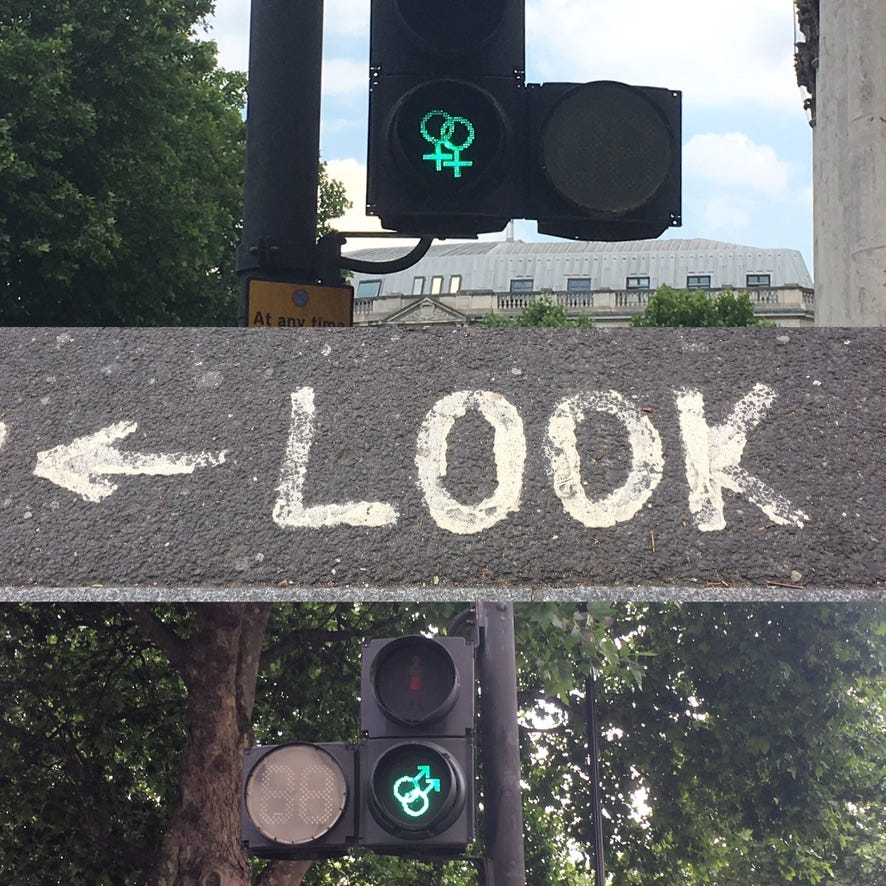
Here’s what it might have looked like: